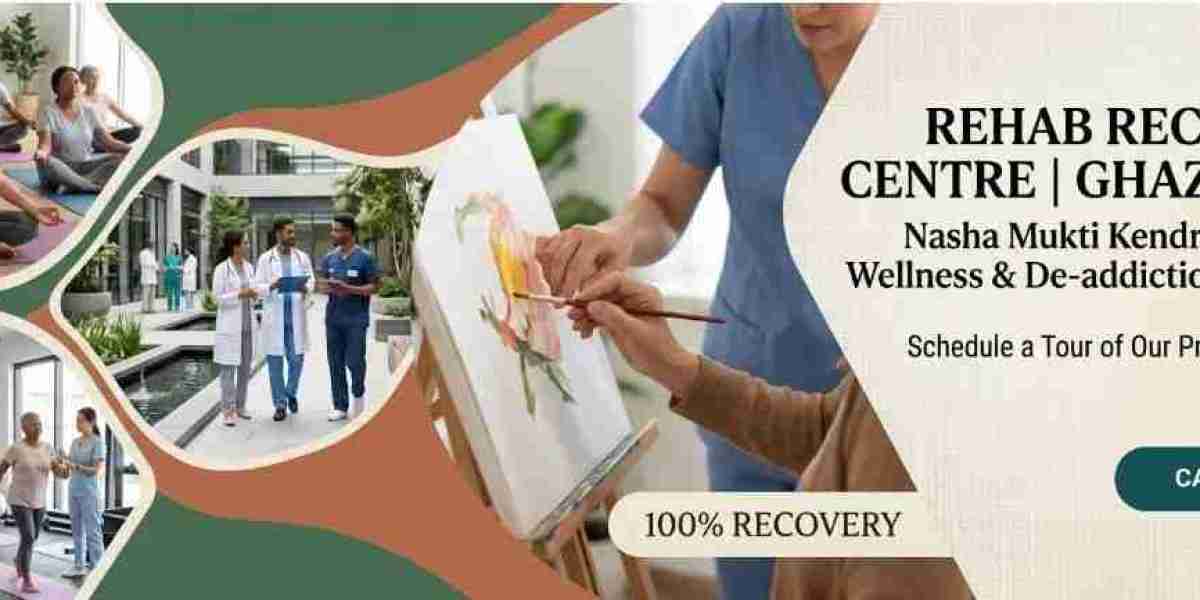

Addiction does not affect just one person — it impacts families, careers, relationships, mental health, and overall quality of life. Whether someone is struggling with alcohol dependency, drug addiction, or substance abuse, taking the first step toward recovery can feel overwhelming. This is where a professional Rehabilitation Centre in Ghaziabad plays a life-changing role.
Many people believe recovery only means stopping alcohol or drugs. In reality, true rehabilitation is a complete healing journey that includes physical recovery, emotional stability, mental wellness, behavioral transformation, and long-term relapse prevention.
A trusted rehabilitation centre provides medical support, counseling, therapy, structured routines, and compassionate care that help individuals rebuild their lives with dignity and confidence. In this article, we will explain the complete recovery journey at a rehabilitation centre in Ghaziabad so families and patients can understand what to expect during treatment.
Understanding the Role of a Rehabilitation Centre
A rehabilitation centre is a professional treatment facility designed to help individuals recover from addiction and regain control over their lives. These centres provide a safe, supportive, and medically supervised environment where patients can focus entirely on healing.
A modern Rehabilitation Centre in Ghaziabad generally offers:
- Alcohol addiction treatment
- Drug de-addiction programs
- Medical detoxification
- Counseling sessions
- Behavioral therapy
- Mental health support
- Family counseling
- Relapse prevention planning
- Aftercare programs
The main goal is not only to stop substance use but also to address the root causes behind addiction.
Why People Choose a Rehabilitation Centre in Ghaziabad
Ghaziabad has become an important location for quality rehabilitation services due to its accessibility, growing healthcare infrastructure, and availability of professional addiction treatment facilities.
Key Reasons Include:
1. Professional Medical Care
Patients receive supervised treatment from experienced doctors, therapists, and recovery specialists.
2. Safe Recovery Environment
A structured environment helps patients stay away from triggers and harmful influences.
3. Personalized Treatment Plans
Every addiction case is different. Rehabilitation centres create customized recovery plans based on the patient's condition.
4. Family Involvement
Many centres involve families in counseling sessions to improve emotional support and communication.
5. Long-Term Recovery Support
Recovery continues even after treatment through follow-up care and relapse prevention programs.
Step-by-Step Recovery Journey at a Rehabilitation Centre in Ghaziabad
Understanding each stage of rehabilitation helps families and patients feel more prepared and confident about the treatment process.
Step 1: Initial Assessment and Evaluation
The recovery process usually begins with a detailed assessment.
During this stage, professionals evaluate:
- Type of addiction
- Duration of substance use
- Physical health condition
- Mental health status
- Behavioral patterns
- Family background
- Previous treatment history
This evaluation helps experts design a personalized recovery plan that matches the patient's needs.
Why This Step Matters
Addiction affects every person differently. A proper assessment ensures that treatment focuses on both physical and psychological healing.
Step 2: Medical Detoxification
Detox is often the first major stage of treatment.
The purpose of detoxification is to safely remove harmful substances from the body under medical supervision. Withdrawal symptoms can sometimes become physically and emotionally challenging.
Common withdrawal symptoms may include:
- Anxiety
- Restlessness
- Sweating
- Mood swings
- Insomnia
- Nausea
- Irritability
- Cravings
A professional Rehabilitation Centre in Ghaziabad provides medical monitoring and supportive care to help patients manage withdrawal safely and comfortably.
Important Note
Detox alone is not complete treatment. It is only the beginning of recovery.
Step 3: Psychological Counseling and Therapy
Once detox is completed, the deeper recovery work begins.
Addiction is often connected to emotional pain, trauma, stress, depression, anxiety, or unhealthy coping mechanisms. Therapy helps patients identify and address these underlying causes.
Common Therapies Used
Individual Counseling
One-on-one sessions help patients understand personal triggers and emotional struggles.
Group Therapy
Patients interact with others facing similar challenges, which builds motivation and emotional support.
Cognitive Behavioral Therapy (CBT)
CBT helps individuals recognize negative thought patterns and replace them with healthier behaviors.
Family Counseling
Family therapy improves communication, trust, and emotional healing within relationships.
Motivational Therapy
This therapy encourages patients to stay committed to long-term recovery goals.
Step 4: Building Healthy Daily Routines
Recovery is not just about avoiding substances. It is also about creating a healthier lifestyle.
Most rehabilitation centres encourage structured routines that include:
- Regular sleep schedules
- Nutritious meals
- Physical exercise
- Meditation and yoga
- Recreational activities
- Skill-building sessions
- Stress management techniques
These activities help patients regain discipline, emotional balance, and self-confidence.
Step 5: Mental Health and Emotional Healing
Many individuals struggling with addiction also experience mental health challenges such as:
- Depression
- Anxiety disorders
- Trauma
- Emotional instability
- Low self-esteem
An experienced Rehabilitation Centre in Ghaziabad focuses on dual recovery by addressing both addiction and mental health together.
This integrated approach significantly improves long-term recovery outcomes.
Step 6: Relapse Prevention Training
One of the most important parts of rehabilitation is learning how to avoid relapse after treatment.
Patients are taught practical strategies to handle:
- Cravings
- Stress
- Emotional triggers
- Social pressure
- Negative environments
- High-risk situations
Relapse Prevention Techniques Include:
- Trigger identification
- Coping skill development
- Lifestyle planning
- Emergency support strategies
- Continued therapy sessions
This stage prepares patients for real-world situations after leaving the rehabilitation centre.
Step 7: Aftercare and Long-Term Recovery Support
Recovery does not end after discharge.
A trusted rehabilitation centre continues to support patients through aftercare programs.
Aftercare May Include:
- Follow-up counseling
- Online or offline support groups
- Regular check-ins
- Family support sessions
- Recovery monitoring
- Lifestyle guidance
Long-term support helps individuals maintain sobriety and rebuild their personal and professional lives successfully.
Signs That Someone May Need Rehabilitation
Many families delay treatment because they are unsure whether professional help is needed.
Common Warning Signs Include:
- Loss of control over substance use
- Frequent mood changes
- Isolation from family and friends
- Financial problems due to addiction
- Poor work or academic performance
- Aggressive behavior
- Health complications
- Failed attempts to quit independently
Early treatment often leads to better recovery outcomes.
How to Choose the Right Rehabilitation Centre in Ghaziabad
Not all treatment centres provide the same quality of care. Choosing the right facility is extremely important.
Factors to Consider
Qualified Medical Team
Ensure the centre has trained doctors, therapists, and addiction specialists.
Personalized Treatment
Avoid one-size-fits-all programs.
Safe and Hygienic Environment
A peaceful atmosphere supports healing and emotional recovery.
Counseling and Therapy Programs
Check whether the centre offers comprehensive mental health support.
Aftercare Services
Long-term support is essential for sustainable recovery.
Reputation and Trust
Look for genuine reviews, ethical practices, and transparent treatment processes.
Benefits of Professional Rehabilitation Treatment
Professional rehabilitation offers several long-term benefits that self-treatment often cannot provide.
Major Benefits Include:
- Safe detoxification
- Emotional healing
- Improved mental health
- Reduced relapse risk
- Better relationships
- Increased self-confidence
- Structured recovery support
- Healthier lifestyle development
Most importantly, rehabilitation gives individuals hope and a second chance at life.
Local Importance of Rehabilitation Services in Ghaziabad
As urban stress, social pressure, and substance abuse cases continue to increase, the demand for quality rehabilitation services in Ghaziabad is also growing.
Families now prefer local treatment options because they provide:
- Easier accessibility
- Better family involvement
- Regular follow-up support
- Convenient emergency care
- Community-based recovery assistance
Choosing a nearby rehabilitation centre can make ongoing recovery more manageable for both patients and their families.
FAQ Section
1. What happens inside a Rehabilitation Centre in Ghaziabad?
A rehabilitation centre provides detoxification, counseling, therapy, medical care, emotional support, relapse prevention training, and aftercare services to help individuals recover from addiction safely.
2. How long does rehabilitation treatment usually take?
Treatment duration depends on the patient's condition and addiction severity. Programs may range from a few weeks to several months.
3. Is detox painful during addiction treatment?
Withdrawal symptoms can be uncomfortable, but professional medical supervision helps manage symptoms safely and reduces physical discomfort.
4. Can family members participate in the recovery process?
Yes. Many rehabilitation centres offer family counseling sessions to improve communication, emotional healing, and long-term support.
5. What types of addiction are treated in rehabilitation centres?
Most rehabilitation centres treat alcohol addiction, drug addiction, substance abuse, prescription medication dependency, and behavioral addictions.
6. How can I know if someone needs professional rehabilitation?
If addiction is affecting health, relationships, work, finances, or daily life, professional treatment may be necessary.
7. Is relapse common after rehabilitation?
Relapse can happen, but proper therapy, aftercare support, and relapse prevention planning significantly improve long-term recovery success.
Conclusion
Choosing a professional Rehabilitation Centre in Ghaziabad can become the turning point in someone’s life. Recovery is not just about quitting alcohol or drugs — it is about rebuilding physical health, emotional stability, mental wellness, relationships, and self-confidence.
From medical detox and therapy to relapse prevention and aftercare, every stage of rehabilitation plays an important role in long-term healing. With the right guidance, compassionate support, and professional treatment, lasting recovery is absolutely possible.
If you or your loved one is struggling with addiction, seeking professional help early can make a major difference. Taking the first step today can lead to a healthier, safer, and addiction-free future.