
Crack Software: Risks, Legal Issues, and Why You Should Avoid It
Introduction
In today’s digital world, software plays a crucial role in education, business, and daily life. However, many users try to access paid software for free through crack software. While it may seem like a cost-saving option, using cracked software comes with serious risks, including security threats, legal issues, and long-term damage to systems.
What is Crack Software?
Crack software refers to modified versions of original software where licensing restrictions are removed. Hackers or unauthorized developers alter the code to bypass activation systems, allowing users to access premium features without paying.
These cracked versions are commonly found on unauthorized websites, torrent platforms, and third-party sources.
How Crack Software Works
Cracked software usually includes:
Modified executable files that bypass license verification
Key generators (keygens) that create fake license keys
Patch files that alter the original program
These tools manipulate the software’s protection mechanisms, making it appear legitimate even without a valid license.
Risks of Using Crack Software
1. Security Threats
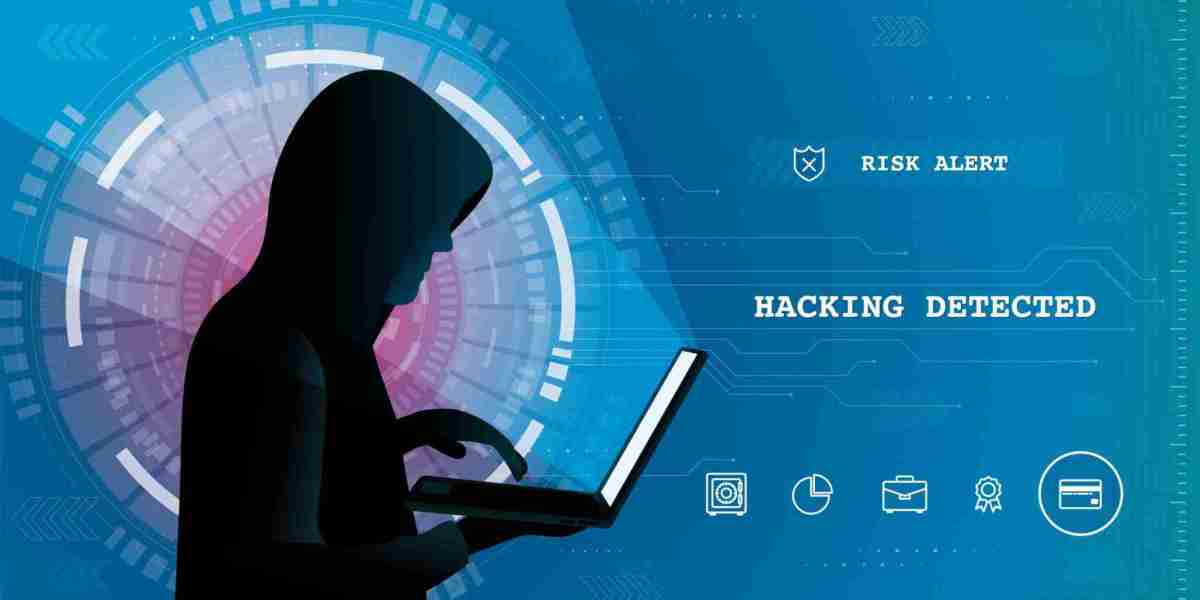
Cracked software often contains hidden malware, viruses, or spyware. These malicious programs can:
Steal personal and financial data
Monitor user activity
Damage system files
Since cracked programs bypass security protections, attackers can easily inject harmful code.
2. Legal Consequences
Using cracked software is illegal because it violates copyright laws. Distributing or downloading pirated software can lead to:
Legal notices
Heavy fines
In some cases, criminal charges
Anti-piracy laws exist to protect intellectual property and ensure fair use of digital products.
3. No Updates or Support
Cracked software cannot receive official updates. This means:
No security patches
Increased vulnerability to cyber attacks
Lack of customer support
Over time, this makes systems unstable and unreliable.
4. Poor Performance
Cracked versions are often unstable and may crash frequently. Since they are modified illegally, they may:
Fail to run properly
Cause system errors
Corrupt files or data
Impact on Software Industry
Software piracy affects developers, companies, and the entire digital economy. When users rely on cracked software:
Companies lose revenue
Developers are not fairly compensated
Innovation slows down
Piracy also affects industries like movies, music, and gaming, where illegal distribution reduces profits and impacts creators.
Role of Anti-Piracy Solutions
Organizations use advanced anti-piracy systems to detect and remove illegal content. These systems monitor pirated software, websites, and applications, ensuring that copyrighted material is protected across digital platforms.
They use:
Real-time monitoring
Automated takedown processes
Legal enforcement strategies
Such measures help protect businesses and maintain a fair digital ecosystem.
Why You Should Use Legal Software
Instead of using cracked software, it is always better to:
Purchase genuine licenses
Use free or open-source alternatives
Download software from official sources
Legal software ensures:
Security and safety
Regular updates
Better performance
Peace of mind
Conclusion
Crack software may appear attractive due to its “free” nature, but it comes with serious risks. From malware infections to legal consequences, the disadvantages far outweigh the benefits.
In today’s cybersecurity-driven world, using legitimate software is not just a choice—it is a necessity. Supporting legal software helps protect your data, supports developers, and promotes a safer digital environment for everyone.