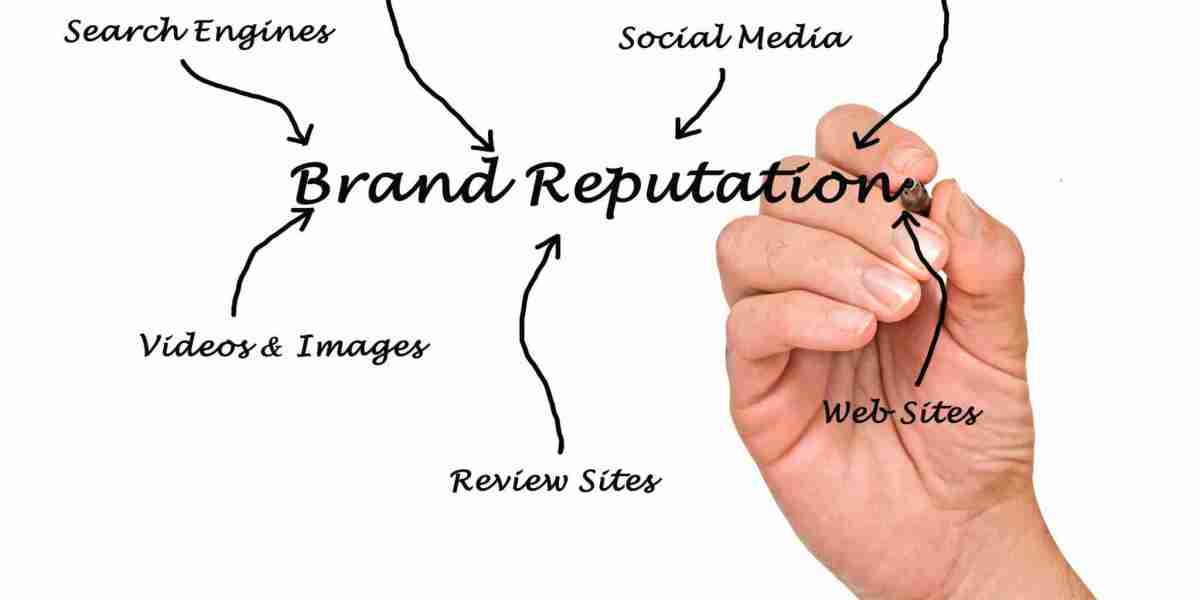

What is Social Listening & ORM (Online Reputation Management)?
In today’s digital world, everything people say about a brand online matters. Whether it’s a tweet, review, or comment—these conversations shape how others perceive your business. This is where Social Listening and Online Reputation Management (ORM) come into play.
What is Social Listening?
Social listening is the process of tracking and analyzing online conversations about a brand, product, or topic across social media and digital platforms.
It goes beyond just reading comments—it helps you understand:
What people are saying
How they feel (positive or negative sentiment)
Emerging trends
Customer expectations
? In simple words:
Social Listening = Listening to your audience online.
Example
If multiple users complain about delayed delivery on social media, social listening helps identify this issue early so the business can take action.
What is ORM (Online Reputation Management)?
Online Reputation Management (ORM) is the process of monitoring, influencing, and improving how your brand is perceived online.
ORM includes:
Managing online reviews
Responding to customer feedback
Promoting positive content
Handling negative comments or brand crises
? In simple words:
ORM = Managing how people see your brand online.
Difference Between Social Listening and ORM
Feature | Social Listening | ORM |
Focus | Understanding conversations | Managing brand image |
Purpose | Insights and trends | Reputation control |
Approach | Analytical | Strategic and action-based |
Example | Tracking mentions | Responding to reviews |
? Connection:
Social Listening provides insights → ORM uses those insights to improve brand reputation.
How Social Listening Supports ORM
Social listening plays an important role in ORM by helping businesses:
Detect negative feedback early
Understand public sentiment
Track competitors
Identify trends and opportunities
Prevent potential reputation damage
Why Social Listening & ORM Are Important
1. Build Brand Trust
Customers rely heavily on online opinions and reviews.
2. Crisis Management
Early detection helps prevent issues from becoming major problems.
3. Better Customer Engagement
Quick and meaningful responses improve customer relationships.
4. Improved Marketing Strategy
Insights help create targeted and effective campaigns.
5. Increased Sales
A positive online reputation directly influences buying decisions.
Key Components of ORM Strategy
Brand monitoring
Sentiment analysis
Review management
Content optimization
SEO reputation control
Crisis management
Conclusion
Social Listening and ORM are essential tools in today’s digital ecosystem. While social listening helps you understand audience opinions, ORM helps you manage and improve your brand image.
Together, they ensure long-term success, trust, and growth for any business.