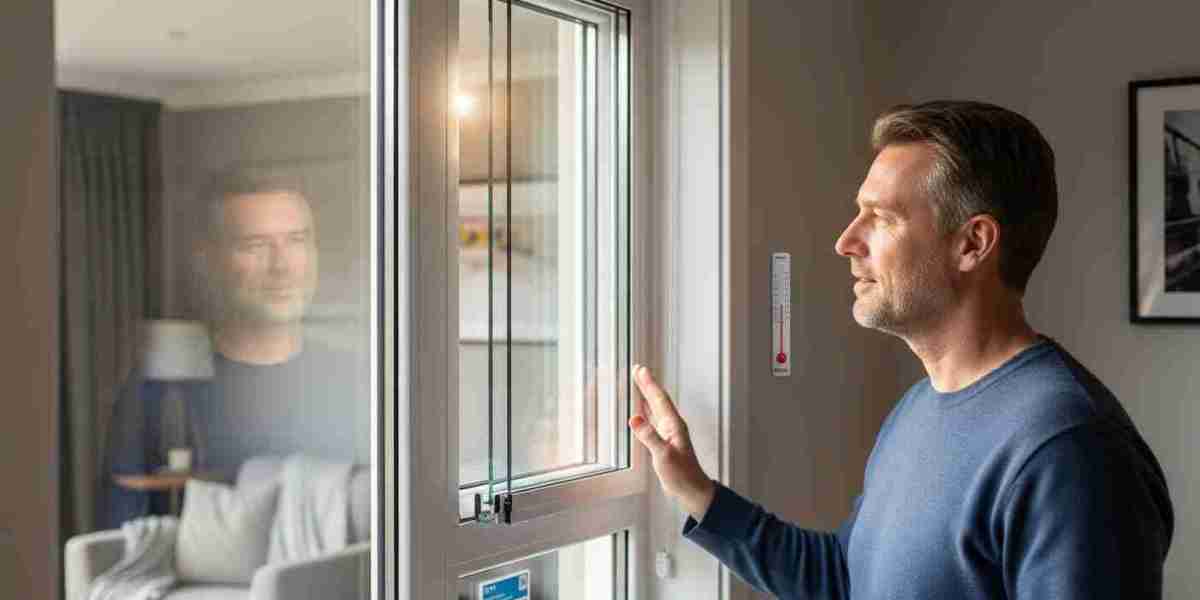

If rising energy bills and outside noises are affecting your comfort, then it's only natural to search for clever solutions. Recently, secondary glass has received a lot of attention. However, how useful is secondary glass? Do you think it's a good investment or a temporary solution? It is possible to add a secondary pane to your current window frame. It's not as expensive or time-consuming to install as double glazing. This is why it's a great option for homeowners, especially those with older properties and listed buildings.
Naturally, heat moves away from the warmest areas and towards the cooler. In winter, the heat from within your home escapes through windows. This heat transfer is slowed down by secondary glazing, which traps air in the space between panes. Because air has a low thermal conductivity, it is an efficient insulating surface.
The same is true for sound waves that pass through more than one barrier. Adding a pane to the window reduces street noise or traffic noise. The secondary glazing will improve your window's thermal efficiency and insulation from noise without the need to replace it.
How Effective Is Secondary Glazing In Reducing Noise?
The sound of a road or railway is an issue for anyone who lives near one. The acoustic performance of secondary windows is highly regarded.
Sound Reduction Performance
Depending on how thick the glass is and the size of the air gap, it can be as low as 80 per cent. The better sound insulation you get, the bigger the gap is between your original glass and the secondary window. Acoustic laminated glass enhances performance.
The energy efficiency of homes located near high-traffic areas is reduced.
Car engine noise
Sirens
Plane sounds
Conversations in the Street
It Is Important To Have Professional Support
Achieving optimal results requires accurate measurements and proper fitting. Many property owners consult experts or use online estimating services to calculate material costs, installation requirements, and expected performance improvements before starting the project. Proper planning ensures that the secondary glazing system matches the property's insulation and noise control needs.
How Effective Is Secondary Glazing As An Insulation Material?
Improved energy efficiency should be a major consideration for homeowners. A large portion of the heat lost in a home is due to windows.
Heat Retention, Energy Savings
Second glazing creates an additional layer to insulate, reducing heat loss. Some studies suggest that properly installed systems may reduce heat transfer through windows as much as 60% when compared to standard single glazing.
This improves:
Lower heating bills
More consistent indoor temperatures
Reduced Cold Draughts Near Windows
The best results are achieved by homes with old, single-pane windows. Additional secondary glazing improves properties even with double glazing.
U Value Comparison
U-value determines how well windows prevent heat transfer. The U-value indicates the quality of insulation.
Window Type | Typical U Value (W/m²K) | Insulation Level |
Single Glazing | 4.8 – 5.8 | Low |
Double Glazing | 1.2 – 2.8 | Moderate |
Secondary Glazing Added | 1.5 – 2.0 | High (with single) |
As can be seen, the addition of secondary glazing greatly improves single-glazed windows.
Is Secondary Glazing Better Than Double Glazing?
A common question. It depends on how you plan to use your property.
What are the main differences?
Double glazing involves replacing the whole window unit with two sealed panes. Secondary glazing maintains the original window but adds an interior pane.
Secondary glazing provides a great solution for:
Enlisted buildings
Heritage properties
Apartments for rent
Save money with these budget-friendly upgrades
While double glazing might offer a slightly improved thermal performance in certain cases, secondary glazing usually delivers similar results at lower costs with less disturbance.
Price Comparison
Because it does not require the removal of existing frames, secondary glass is typically more affordable. Installation is quick, and there are minimal structural changes. In some cases, secondary glazing is a great compromise between quality and price.
Benefit Of Secondary Glazing In Reducing Condensation
Condensation happens when heated indoor air and cold window surfaces come together. As a result, moisture may build up and cause damage to frames.
Second-layer glazing can help reduce condensation.
Temperature increase of glass surfaces
A barrier can be created to keep warm indoor air from contacting cold outside glass
The formation of condensation on window surfaces can be significantly decreased when properly ventilated and sealed. Installing the units correctly is critical. The purpose of the unit is defeated if it's not installed correctly.
Secondary Glazing Has Many Benefits
Secondary glazing is not just for noise reduction. It also offers insulation.
Improved Security
By adding an additional inner pane, it is harder for intruders to break windows. Some systems are equipped with strengthened glass and locking mechanisms.
UV Protection
Secondary glazing filters harmful ultraviolet rays to protect artwork, furniture, and carpets.
The Minimal Disruption
Installation usually only takes a handful of hours per window. You don't need to perform major renovations or take out the frames.
Easy Maintenance
Secondary glazing is designed as a removable or sliding unit for cleaning and easy maintenance.
How Effectiveness Is Affected By Factors
The performance of secondary glazing depends upon several factors.
Increased glass thickness improves noise insulation.
Air gap size: Larger air gaps offer greater acoustic insulation.
Seal quality. Proper sealing is essential to prevent moisture, drafts, and drafts.
Materials for the frames: PVC, PVC wood, and aluminium all have different insulation and durability properties.
For the best results, it is important to have a professional measure and install your system.
What Is The Value Of Secondary Glazing?
Most homeowners will answer yes. There are many advantages to this method, such as energy efficiency, reduced noise, and increased comfort.
You can use it to:
Period properties
Conservation areas
Apartments with noise in busy urban environments
Homes with Single Glazing
The results can be impressive for only a fraction of the cost.
Conclusion
Is secondary glazing effective? This is a highly efficient way to reduce noise and improve security. In older or well-protected buildings, it is an affordable and convenient alternative to full-scale window replacement.
With secondary glazing, you can turn draughty, cold homes into ones that are more efficient, comfortable, and quiet. When you choose the right system for your home and understand its needs, you can enjoy long-term savings and comfort. A smart, reliable upgrade for homeowners looking for cost savings and minimal disruption is secondary glazing.
FAQs
Can Secondary Glazing Help Reduce Heat Loss?
The heat is reduced by 60 per cent compared to the single glass, depending on how well it's installed.
Do Secondary Windows Completely Block Noise Outside?
There is a significant reduction in noise, sometimes up to 80%. However, it doesn't create complete silence.
Are Listed Buildings Suitable For Secondary Glazing?
Yes. Heritage properties use it because the appearance isn't altered.
How Long Does Secondary Glass Last?
If properly cared for, the product can last as long as 20 years. Materials of superior quality increase the durability.
Why Is Secondary Glazing More Expensive Than Replacing Windows?
Yes. It's usually cheaper because you don't have to remove the old frames, and it reduces your labour costs.